






Let’s face it: adopting a formal church AI policy probably wasn’t on your ministry bingo card, but here we are in 2026. In fact, adopting a formal church AI policy might not be on your mind even this year as a pastor or church leader—but today it’s one of the most effective ways to protect your congregation’s data and digital information.
While public tools offer a great time-saving boost for busy ministry teams, they also introduce serious legal and ethical risks the moment confidential data leaves your secure network. This usually happens when well-meaning staff members paste private donor histories or sensitive information into public text generators. While church staff aren’t meaning harm, the damage can be extensive.
Fortunately, safeguarding your ministry doesn’t mean banning new technology! It just requires a clear framework with a church AI policy that sets firm data boundaries while building deep communal trust.
Real-world liabilities & risks of unmanaged church AI use
Because busy staff members, volunteers, and ministry teams often face heavy administrative workloads and wear too many hats, they look for quick ways to manage tasks. Today, many of them are turning to public artificial intelligence tools to save time and energy.
Staff use these text generators to draft weekly announcements, summarize staff meetings and prayer requests, or outline monthly newsletters. While these digital tools provide helpful shortcuts, a significant vulnerability is quietly emerging within local ministries.
Without clear guardrails, this innocent search for efficiency can accidentally expose your ministry’s most private details. Here’s an example. Picture your church office on a typical Tuesday afternoon. Your children’s director is using an online generator to outline a parent newsletter, while an administrative assistant uses it to clean up staff meeting minutes. It feels like a total superpower, saving your team hours of manual drafting every single week.
When staff members use these consumer tools to format text, sensitive data travels into external databases that are outside of the church’s control. This practice opens up your ministry to several distinct vulnerabilities.
Financial risks: Financial assistants frequently handle complex giving records, banking information, and donation amounts. An administrative worker might upload an entire giving spreadsheet to a public tool to help organize year-end statements or compile donor tax receipts.
Once this private giving data is input into a free consumer model, it no longer remains confidential within your finance department. This action directly compromises something far more valuable—the privacy of your financial contributors.
Pastoral risks: Pastoral care teams routinely document highly sensitive information during counseling sessions and benevolence reviews. A staff member might insert a detailed summary of a confidential counseling session into an artificial intelligence tool to draft a supportive email response or follow-up note.
Placing personal human vulnerabilities, identifiable names, or specific crisis details into a public model breaks the sacred trust of pastoral care. Your congregation expects these personal conversations to stay strictly private.
Consumer versions of popular large language models often treat user entries as training data for future iterations. Recent Stanford research found that major AI developers use chat data to train their models by default, and some retain that information indefinitely. Once sensitive text enters a public algorithm, your team may have little ability to have it removed.
The bottom line is that unmanaged church AI usage essentially turns your private community records into public property.
Protecting congregations in person & online
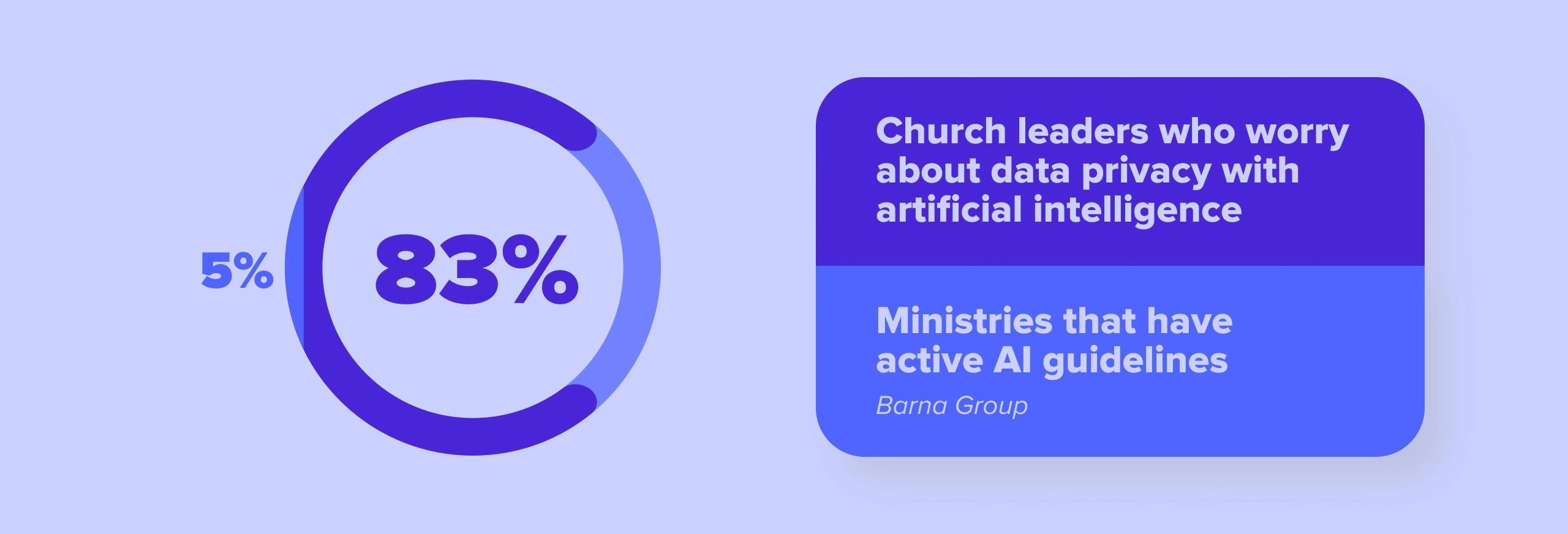
You are definitely not alone if you feel a bit anxious about this fast-moving digital shift. Recent Barna Group research shows that 83% of church leaders worry about data privacy with artificial intelligence, yet only 5% of ministries have established active guidelines. As a partner to thousands of communities, we want to help you bridge that gap before a mistake turns into an administrative crisis.
When building a modern workflow, implementing a comprehensive church AI policy protects your community from automated data tracking. Generative AI for churches offers a major lift for busy teams, but it creates legal and ethical risks when sensitive data leaves secure church networks.
But faithful AI adoption is possible. Let’s look at how you can step into proactive digital stewardship and protect the safe, relational spaces that define your local ministry.
Navigating the modern data protection landscape
Local ministries must operate inside an increasingly complex framework of local, state, and federal privacy regulations. And while governments continue to introduce strict laws regarding automated tracking, digital permissions, and the collection of private consumer information, many executives mistakenly assume these legal statutes only apply to large corporate businesses. But religious organizations must comply with basic data protection laws as well. Ignoring these shifting standards exposes your church to severe organizational consequences.
According to detailed legal insights provided by ChurchWest, houses of worship face significant liability if private identifiable names enter public algorithms without explicit consent. A data leak involving financial statements or counseling logs can result in substantial regulatory penalties and legal challenges. Beyond the financial impact, legal disputes drain the energy of your staff and distract from your primary ministry goals. Proactive digital boundary management protects your leadership from these avoidable administrative crises.
We believe that protecting a member’s private details is a natural extension of honoring their trust and safeguarding their identity. True stewardship involves managing your technology with the same intentionality that you apply to physical facilities and financial tithing. When individuals share their private life struggles or financial resources with your church, they rely on your team to guard that information fiercely. A secure digital environment creates a safe space where authentic community can continue to thrive.
Five key areas to build into your church AI policy
Creating a clear framework in an AI church policy helps your leadership team establish practical boundaries for staff and volunteers. This document should lead important conversations and explicitly direct your team on where digital tools are helpful and where they are strictly prohibited. We recommend focusing on five core operational areas when assembling your structural guidelines.
1. Approved use cases
Your guidelines should welcome technology for basic administrative tasks that do not involve confidential records. Staff members can freely use text generation for social media drafts, upcoming event promos, and bulleted summaries of general staff meetings. These functions save your team hours of manual drafting without exposing internal records to public networks. Clearly defining these safe zones encourages helpful technological adaptation.
2. Data protection boundaries
Your document must clearly ban specific types of information from ever entering public text generators. Staff and volunteers must never paste full names, home addresses, private financial contributions, or pastoral counseling logs into unauthorized software. Establish a strict rule that requires all financial and personal pastoral data to remain inside your encrypted church management software. Setting this hard boundary prevents accidental data exposure.
3. Content review & oversight
We require a designated staff member to read, verify, and approve all computer-assisted content before printing or sending it. Artificial intelligence systems can generate factual errors, awkward syntax, or text that lacks personal warmth. Human editorial review ensures that every newsletter, caption, and email perfectly reflects your ministry standards and remains fully authentic.
4. The multiplication principle
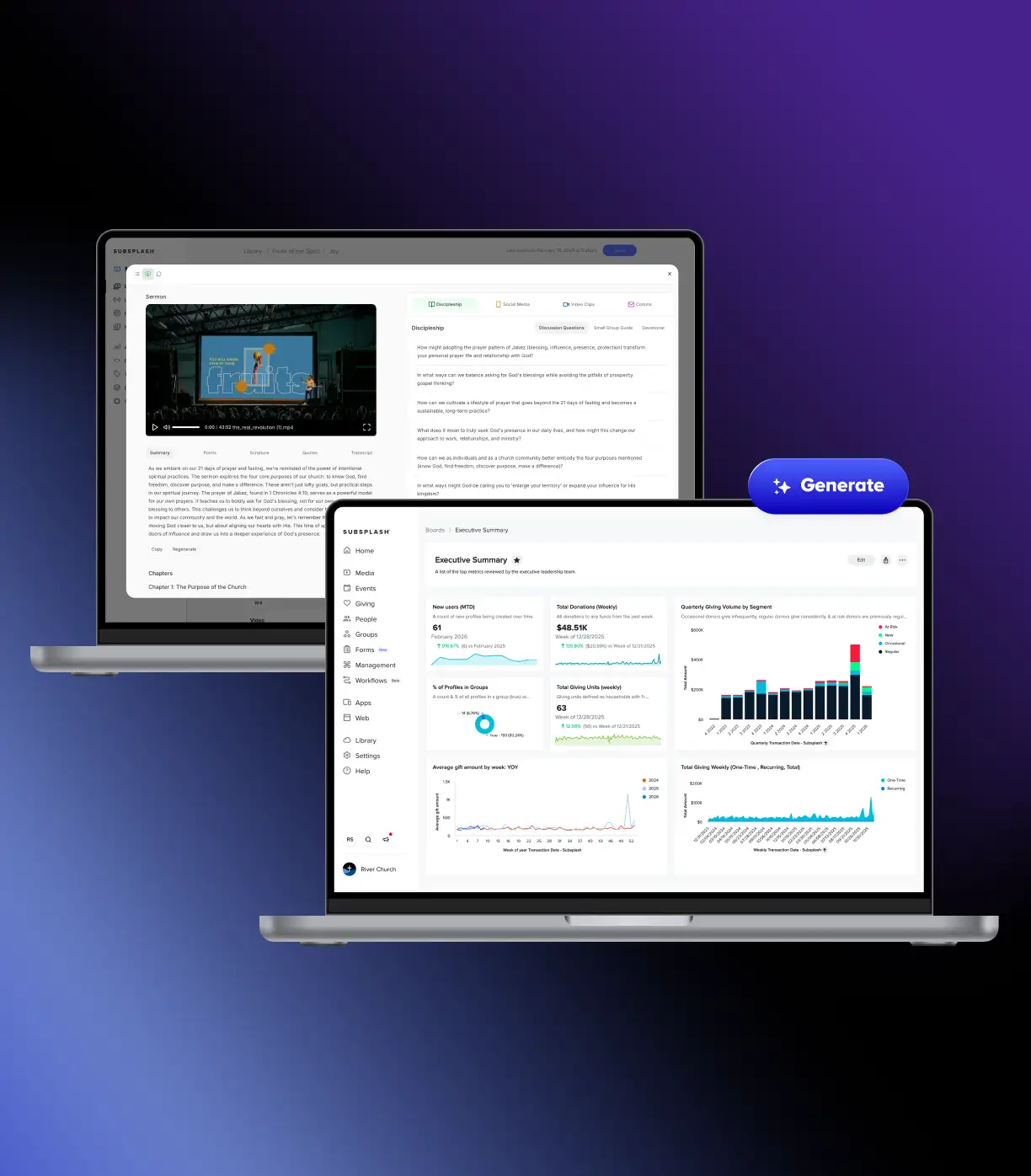
True digital adaptation focuses on amplification rather than basic generation from scratch. Your software tools must capture and extend the pastor's unique theological voice from the Sunday sermon rather than asking an algorithm to invent new doctrine. Using a specialized tool like Pulpit AI allows you to safely turn one sermon video into multiple discipleship pieces, such as discussion guides or devotionals.
5. Regular evaluation rhythms
Technology evolves at a rapid pace, meaning your initial guidelines can quickly become outdated. Commit to a regular annual or quarterly check-in to evaluate how your staff uses these tools and adjust your rules as software capabilities change. Regular policy reviews allow your executive team to address new security threats while remaining open to helpful technical advances.

Final steps for digital stewardship: Download the free AI policy template
Implementing digital oversight is fundamentally a form of pastoral work that preserves the relational heart of your church community. Guarding digital endpoints allows you to protect the vulnerable individuals who sit in your pews every Sunday morning. When your church operates with clear structural boundaries, you show the congregation that you value their safety as much as their spiritual growth.
We encourage executive pastors to transition from a reactive posture to a wise, structured approach to technological tools. Instead of waiting for a data breach to force changes, you can lead your organization with clarity and conviction today. Embracing technology safely ensures that your church continues to reach people effectively in a digital space without risking corporate or legal penalties.
To help your leadership team start drafting your custom guidelines, download the free AI Policy template here. Our resource pack provides the language, layouts, and categories you need to establish clear boundaries for your staff. Let us help you protect your community while maximizing your weekly reach.
Discover AI tools built specifically for churches
When it comes to AI, did you know there are tools built specifically by church leaders for churches?
At Subsplash, we help save your team hours of work without risking your congregation's data privacy. For instance, Pulpit AI takes your recorded Sunday sermon and safely multiplies it into weeknight devotionals, small group guides, and social media clips. Because it only analyzes your actual video or audio files, your content is never exposed to public models or used to train open algorithms.
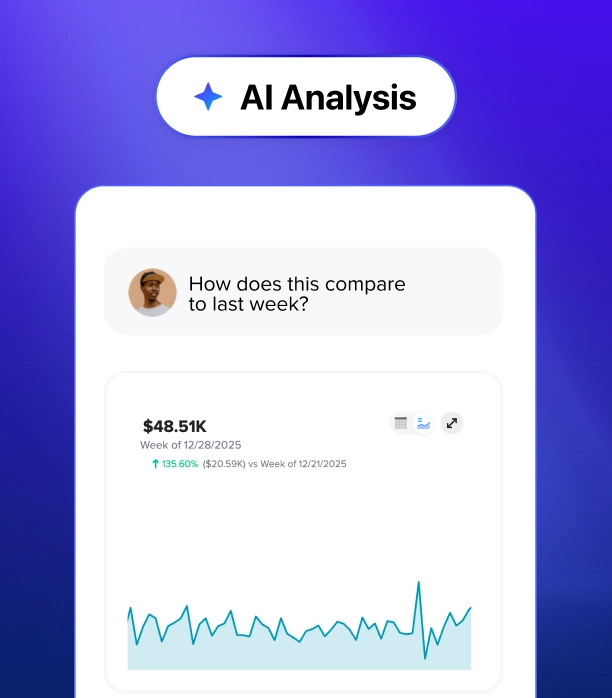
We also offer tools like Trends AI to help you safely monitor your internal giving, media plays, and group messaging under one roof, keeping sensitive information hidden from unauthorized eyes.
Building a safe digital home for your church
Managing a local church means balancing digital tools with real pastoral care. We know that protecting your community’s data privacy can feel like an overwhelming task when technology changes every single day. That is why we are committed to building safe, church-focused tools that take the complexity out of your technology stack.
Over 20,000 churches and organizations partner with Subsplash to better reach, engage, and disciple their people with powerful digital tools. By gathering your sermon media, online giving, and church management software into one secure environment, we make it easy to protect your people while expanding your ministry's impact. We are here to serve as your partner and guide, ensuring your team has everything they need to grow your church with total peace of mind.
Ready to see how Subsplash can support your ministry? [.blog-contact-cta]Let’s chat[.blog-contact-cta]!



%20use%20AI.webp)