
Fill out the form below to schedule a demo or call our sales team at
469-564-3922

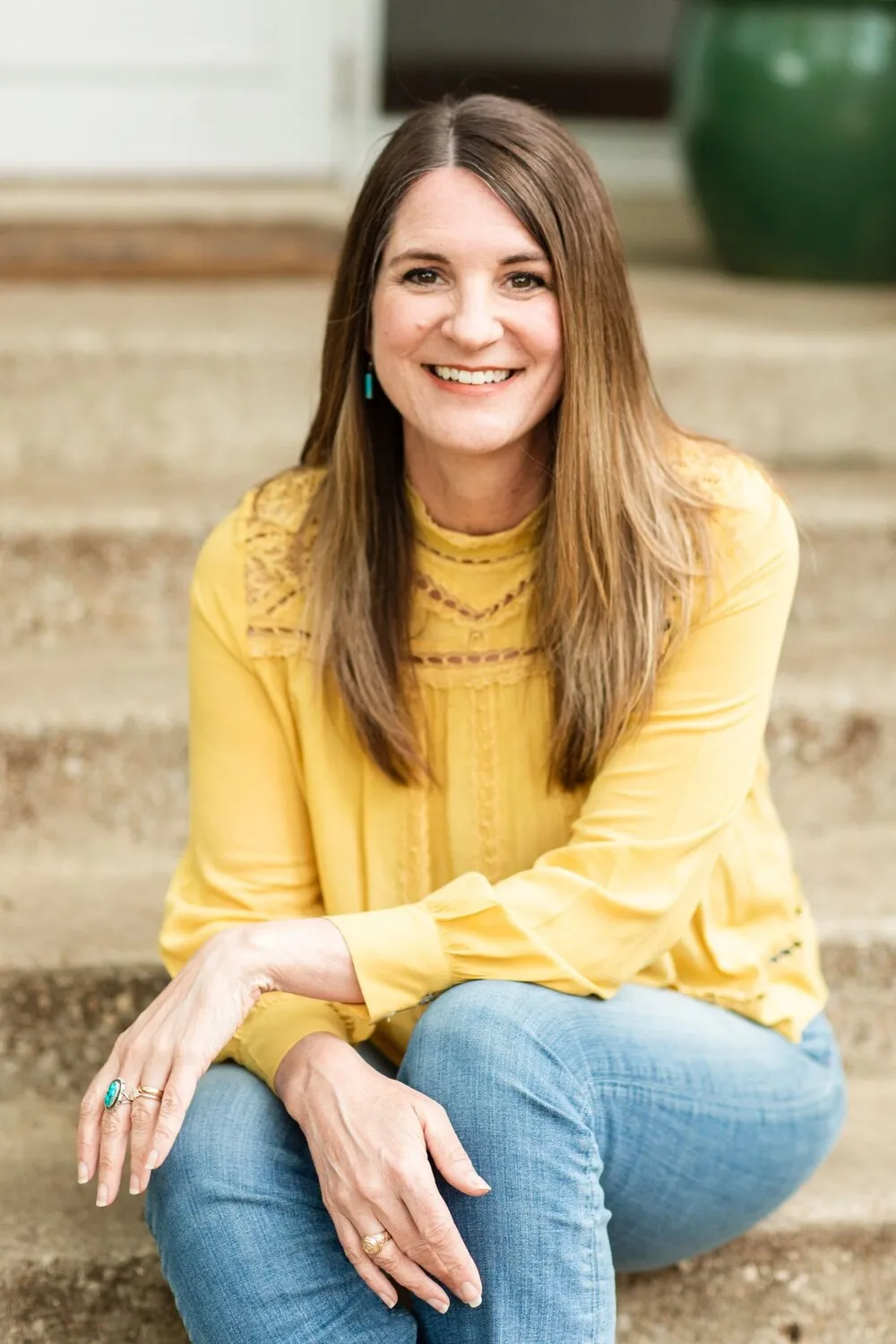
29. The transformative power of Bible-based discipleship (with Jen Wilkin)
Episode Description
What’s at stake when only 11% of Americans are regularly reading the Bible? Join our conversation with Jen Wilkin—author and Bible teacher at The Village Church—as we explore the centrality of biblical literacy for real discipleship.
Learn more about Jen Wilkin: www.jenwilkin.net
Learn more about The Village Church: www.thevillagechurch.net
Source: Statista, 2021
Episode Transcript
VO: Equip and engage a podcast by Subsplash exploring how ministry technology and innovation come together to equip churches around the world to engage their communities.
Carolyn Farney: Hello, and welcome to equip and engage. My name is Carolyn Farney and today I'm joined by my co-host Nick Bogardus, our VP of marketing here at Subsplash. [00:00:30] Hey Nick.
Nick Bogardus: Hey Carolyn. It's awesome to be here. And we have an awesome interview lined up with Jen Wilkin today. Uh, Jen is the author of numerous books and Bible studies, as well as the executive director of family next gen ministries and resources at the village church in Texas.
Carolyn Farney: This was a fun conversation for me, really on a personal level, because of my role here at Subsplash. I've been working with the village team pretty closely as a technology consultant for more than [00:01:00] a decade now. And it's been such a meaningful relationship to me as really the landscape of the church has changed as technology and culture of change. And then even as the ministry model for the village church has changed.
Nick Bogardus: Yeah, I mean, as someone who's watched them from a distance I've been, I've been familiar with ministry for a long time, but, um, for those who might not be familiar with the village, they have really set a great example of leveraging technology to plant churches and make disciples. [00:01:30] Um, you know, Matt Chandler is the lead pastor of very well-known, um, lead pastor and preacher. Um, they really leveraged his gifts, um, to create a multi-campus, uh, model that they then rolled off the individual campuses into autonomous churches to plant churches. It's a, it's a unique, challenging sacrificial example for a lot of churches who may not know their story, who might be interested in following that model, um, to the topic today with Jen. Um, she is someone who is [00:02:00] passionate about, uh, disciples, loving God's work. She is passionate about people wanting to read and grow in knowing God through what he has spoken through the Bible.
Nick Bogardus: And I think that's really helpful in our current moment because Carolyn, as you mentioned, um, there's a lot of confusion right now in our kind of hybrid in-person, um, online space where a lot of churches don't know who's there, like who who's a part of our church and what are they attached [00:02:30] to. Um, and that can lead to a lot of certainly confusion, but focusing on the wrong things. Um, I read a quote yesterday from, um, of all people, Jeff Bezos, where he was talking about, um, one of the wrong questions to ask is what's next? One of the better questions to ask is what doesn't change. And Bible reading is one of those things, because if you're always chasing what's next, you're kind of throwing yourself into a treadmill. Whereas when you're focusing on what is timeless, what won't change, um, there's a, there's a level of stability [00:03:00] and a good foundation to stand on. And for Christians through the centuries, no matter the time and place where they've been Bible readings at the heart of discipleship,
Carolyn Farney: Well, I don't want to keep our listeners from this awesome conversation any longer let's get started well, hi and welcome to the Subsplash and coop and engaged podcast. Jen, thanks for joining us today.
Jen Wilkin: Uh, thanks so much for having me on
Carolyn Farney: Absolutely. Well, I've been a personal fan of you for a while. [00:03:30] I've read several of your books and been deeply impacted from the women in the word and the none like him and in his image. And I know you have a new book out about the 10 commandments, which is awesome, but I've, as I've listened to just interviews you've done and people who've talked about, there's been just an overwhelming passion that you've had for biblical literacy, which I've really gleaned from, but I'm just curious, where did that come from? How, how did the whole kind of life goal [00:04:00] of, I want to help people know and love the Bible? Where did that all, um, kind of spur from?
Jen Wilkin: Yeah, well, a good friend of mine likes to remind everyone constantly that all theology is autobiography and that's absolutely true in my case. I mean, the reason that I care about Bible literacy is because I grew up, uh, in about seven different denominations. My mom was a single mom in the church and she didn't really necessarily fit. I don't know if you've had that experience of what it's like to have single women in the [00:04:30] church who are just like, ah, I don't, I'm not, I don't want to be in the young marrieds class or whatever. And so we moved around quite a bit to different churches. And, um, by the time I reached young adulthood, I knew that there were a lot of people standing behind lecterns holding the same book and saying very different things. And so I was very concerned to know the Bible firsthand for myself, uh, so that I had some measure of knowing whether the teaching I was hearing was sound teaching or unsound teaching. Um, during [00:05:00] my upbringing, I spent a fair amount of time in the word faith movement. And so I know that there are very real consequences for bad theology, painful and significant consequences, and did not want to, um, continue on in ignorance of what the scriptures had to say, because honestly just a baseline Bible literacy, um, grasp can guard against so much of the false teaching or just bad teaching that [00:05:30] we, we are, um, uh, potentially exposed to in the church today. So yeah, that's where it came from
Nick Bogardus: And elaborating on those consequences, Jen, cause I wanna, I want to make sure if someone's listening and they skip past that they don't miss that there are real common.
Jen Wilkin: Yeah. I have a family member who has a chronic illness and, um, they would not seek medical attention and the fact that they could not receive healing, you know, although there were repeated attempts to invoke that healing [00:06:00] meant, obviously that their faith was lacking. That's the, you know, and that's the way that, um, those spaces can tend to, to, uh, evolve is that you get all of the credit essentially for when life is going well. But the flip side of that is that you then are liable for all of the blame when life is not going well. And so, um, it, there have been some very painful, uh, and, and honestly physically dangerous moments, um, that have had played out in my own immediate family as a result [00:06:30] of some of this teaching. Um, not anymore praise the Lord, but, um, so yeah, I, uh, false teaching is not benign.
Carolyn Farney: And, you know, another thing, even as we're just thinking about obviously the world we live in and what, you know, maybe ads or combats against us wanting to be in the Bible, being the word it's, we're shaped and formed by all these different outlets that are around us from, um, you know, our jobs to social [00:07:00] media, to, um, you know, even just our human nature. So we're always, we're being discipled by something. Um, why, why is it important by, by what we're formed by? I know like you were even mentioning there's, there's some, you know, consequences or, or things that then follow suit because of, of what we believe, but what, why would you say the Bible should be central to our formation or discipleship?
Jen Wilkin: Yeah, it has everything to do with our anthropology. It has everything to do [00:07:30] with the way that we were created to function. Um, we are imitators by design. That's what Genesis one is telling us that we're made in the image of God. Um, we were meant to reflect him and instead we chose to rival him to, to want to be like him in ways that we were not intended to be. Um, but what we do is we can form to images. That's the way that we are designed to function. And so in the absence of gazing on and wanting to be conformed to the image of God, [00:08:00] we gaze on and want to be conformed to the image of whatever we're giving our eyes to. And I don't mean our physical eyes so much as our spiritual eyes. The thing that we make meditation on is the thing that is shaping us. And so, um, even though in Christ, we are restored to the humanity that we were always created to be, we still see throughout the new Testament, these commands to be conformed to the image of price, which means that it must not be an instantaneous thing that happens in our justification. And I would [00:08:30] argue that it's the thing that is the whole purpose of our sanctification, that we live the life of faith striving to be fully human as we were created to be, um, bearing the image of Christ by beholding him. Yeah.
Nick Bogardus: So I would love to hear Jen what you would say, because I imagine church leaders who are listening to this here, a couple things that, uh, rival that truth. Um, for example, I am a self-determining autonomous individual. Uh, what would you say to someone [00:09:00] who says that in light of the reality that we're reflectors imitators?
Jen Wilkin: Yeah, well, um, even that is an imitative act because it's something that we've heard from someone else. So I think a little intellectual honesty about where that idea even came from in the first place that even my, uh, notion of my autonomy is something I'm parroting. I got it from someone else. Um, and I would say if you trace it back far enough, that someone else is actually, um, limbless and has a tongue that is forked, but [00:09:30] we don't have to go that far back, you know, in our culture, it's on the lips of everyone. And, um, I, you know, I'm not a culture warrior. I'm, I'm just more interested in looking at how to script the reason that I think the Bible is true, uh, is because I have seen its message to be true, um, without fail the way that it diagnosis our primary problem is accurate in a way that other stories that are out there have not proven to be for me.
Jen Wilkin: Um, so the spirit obviously is the one who enlivens [00:10:00] us to truth. Um, we cannot say to someone who does not have the holy spirit, you know, well that that's not true unexpected, it's going to land. Um, but I have observed, and I would imagine you have observed as well that people who are living their truth are going to run into issues because, um, our truth is a lie, uh, apart from the saving work of the spirit. And so, um, you know, there are a lot of people who just, they gotta, they gotta run that rope to the end, and I hate that [00:10:30] cause it's painful to watch. Um, but uh, to the person who says I'm autonomous, you know, it's like really well, who, how did you get into this world on your own? You know, um, how have you gotten to where you are today on your own?
Jen Wilkin: You know, we, you look around and it's, it's clear that we're created not for autonomy, but for interdependence. And the believer understands that interdependence to not just be on the horizontal plane between brothers and sisters, but also on the vertical plane as well. At the very least, I would love to see intellectual [00:11:00] honesty from an unbeliever that they are not autonomous from other human beings or from, you know, that often it can be acknowledged, oh, I'm not autonomous from the environment, you know, but it's like, what about, what about the people who are part of that environment? Um, and there's no such thing as a sin committed in isolation, you know, uh, I know that sin is not the terminology that would often be used by the unbeliever, but there's no such thing as committing a crime that only affects you. There's not the reason we have wall codes is because of that. Right. And so, um, [00:11:30] I guess I would have a lot of things to say to someone who said that, assuming it was the right moment to say them,
Nick Bogardus: It sounds like a fun conversation. I'd love to sit in on something.
Nick Bogardus: I want to turn a little bit to, um, maybe the, the problem of biblical literacy, um, you know, Gallup released, uh, one of their surveys studies, uh, about, I dunno, uh, four months ago or so that showed that, uh, church membership in the U S is for [00:12:00] the first time or below 50% of the population. So the number of Christians who say there are certain number of Americans who said, they're a part of a church is now less than 50% of our country. And, you know, it would very clearly follow that Bible reading is way beneath that, right? Cause we know that showing up on a Sunday is a far more, uh, regular activity for a lot of people than, than reading scripture. And so there's another study that showed that about 11% of Americans read the Bible regularly at all. [00:12:30] We can look at other ones to find different numbers, but that might give us a gap of like 48% and 11%. How do you think, um, you know, biblical illiteracy might contribute to the chaos that we're all experiencing right now.
Jen Wilkin: Yeah. Um, you know, all of the deconstruction stories that are out there and then there's all the sky is falling stories about the church shrinking. Um, I think it's important for us to remember that the church of God does [00:13:00] not shrink it. Doesn't, I mean, the perseverance of the saints means that those whom God saves, he saves perfectly and completely, uh, any eternally. So when we look at declining church numbers, we're not seeing a reduction in Christians, we're seeing a revelation of the church, um, of who the church is. Uh, I'm actually not scared about that. I think that is, has been a long time coming. What I am concerned about is that those who are [00:13:30] in, uh, understand that their sacred text is what they're staking everything on. And so to have a casual relationship with it will not, will not serve them. Uh, the alarm that we hear around deconstruction stories, I think is so often based in, you know, it's people thinking, is that going to happen to me?
Jen Wilkin: Well, Hey, if you're going to deconstruct your faith, at least know what the faith is that you're deconstructing. That's my biggest frustration with a lot of the stories that are out there as I'm like, we, you completely miss the point of the thing you got mad [00:14:00] at, you know, and, and the, and the real frustration that I feel around that is that that's not their fault. That means that the church, which is responsible for the care and feeding of its members has left them uncared for and unfed. Um, the reason that we have a Bible literacy crisis is not because individual believers are too dumb to read the Bible. It's because the church has not trained them into a healthy practice of interacting with the sacred text. It's my fault. As a church [00:14:30] leader, if the people in my church don't know the Bible, now, obviously people come to our church from all over the place, but I'm the one who is charged to help pull them forward into a closer understanding of the scripture.
Nick Bogardus: And so I hear you saying that, um, one of the consequences is a significant consequences. We haven't many times church leaders, haven't given people, a firm foundation to stand on in the midst of change upheaval, um, all of that, but, but I really want to call out a dynamic that you said, [00:15:00] because I think it's so helpful. You said I'm not afraid of church numbers falling. I am concerned that people have a, uh, a grasp of scripture and a desire to read it. And like that fear versus concern, dynamic, I think is a really helpful thing for people to recognize because you're living with the kind of constant nagging fear is like just anxiety and it causes you to continue to be kind of reactive. Right. Whereas, uh, what you're saying [00:15:30] is like a really simple return to a fundamental that is timeless, um, that I think is helpful. Like if someone tell me if I'm wrong, but I would imagine if more pastors took this route, there would be much less, um, anxiety in ministry.
Jen Wilkin: Yeah. This route is the route of the church historic. Um, and I think the temptation in a time of upheaval is to look for a new way forward. Uh, I don't, I don't, I think there's a penalty for novelty [00:16:00] in, in, in the church. You know, I think that what we're called to do is not a new thing, but an old thing recently forgotten. Um, I'm ripping that off from Dallas Willard if he thought that was profound. Um, yeah, I mean, it, it, and that's what I want to be in the business of doing is old things recently forgotten. And so there have been previous generations who have done a better job of, of, uh, of training, uh, Christians in the historic Orthodox faith. Um, and that has not been [00:16:30] the case, you know, for, let's say 50 years, we'll just round it off at that.
Jen Wilkin: Um, where for so long, um, to be a Christian was to be on any culturally speaking, a winning team. And if you need to be on the winning team to, to opt into the Christian faith, then you're, you're not gonna want to hang out there long these days, right? If you want to be a follower of Christ, come on, we're gonna, we're going to show you how to do that. Using, uh, God's revelation of himself, which is the scriptures. [00:17:00] And, um, you know, it's fascinating, you cited some studies and there are always new studies every day to light our hair on fire. One of the ones that, um, stuck out to me the most was several years ago, when that Lifeway put up, put out about why children raised in the church tend to stay in the church into adulthood, and they identified five main reasons.
Jen Wilkin: And some of them were things that you would fully expect. You know, it was like they went on a mission trip or they had a way to plug in and serve in the local church. The number [00:17:30] one reason was that they were trained to read their Bibles. The number one reason, because I don't care how many pizza parties you threw in youth group. You know, the thing that they need is to know, wait, why are we here? And it doesn't mean that they understood their Bibles completely. It meant that when they picked up a Bible, they didn't believe that they needed an expert to unfold every level of it for them. They understood that they were invited into a plain reading of basic understanding of [00:18:00] the text, which I would say should push you to want to know what those who are further down the line in their understanding have to say about it.
Carolyn Farney: Oh, I love it. Yeah. And so back to the button, right along with what you were saying, this connection between people that stayed in the church, there was this component of actively reading the Bible that just from a discipleship standpoint. And one thing I had heard recently kind of that difference between a convert and a disciple, a convert, someone that has a saving faith, you [00:18:30] know, that, you know, Jesus is their savior and a disciple is one that believes Jesus is their savior, but that he's also their king. And so there's this submission to, to him. Um, but the, so back to the Bible, so this organization, they pioneered something called the power of four effect. So quite simply that people that were in the Bible and reading scripture at least four times or more per week were radically different than non-believers in the areas of [00:19:00] some pretty amazing places. So for instance, the struggling with loneliness and anxiety and alcohol abuse were significantly lower. Um, and so kind of that leading, Hey, these are some really positive trends. How would you, do you have any stories or ways that you've seen just real life transformation happened with people that have maybe been gone from, you know, not believing to, okay, now I'm in the word every [00:19:30] day. Um, or like you said, I mean, that was a compelling stat of just those that grew up reading the Bible, you know, we're, we're staying in the church.
Jen Wilkin: Yeah. One it's interesting to me, even what you just mentioned about the decline in those sort of unhealthy behaviors. And I think initially you might think, oh, well that's because the Bible is effectively. Self-help right. Um, but really what, what the Bible does and the transformative effect that it has on us. And that's a real problem because many of us have been told that the Bible is God's love letter [00:20:00] to us and it's, you know, and it's, it's you girl, and you need to read it. And it's, it's going to tell you how to do X, Y, and Z. And I don't mean to diminish the fact that the Bible does give us very real and practical help for everyday living. But I believe that the primary purpose of the Bible is God's disclosure of his own character. Like that's the first thing we should be looking for.
Jen Wilkin: And my first clue to that is Genesis one, one, it does not say in the beginning you were a twinkle in the Almighty's eye. It says in the beginning God, and then gives [00:20:30] this transcendent, honestly, soul crushing view of God's power of his authority, of his wisdom, of his, um, self existence. Self-sufficiency all of the attributes of God on full display in the, in the six days of, and, um, and it, that inspires in us something that we need desperately. And that is a sense of all, uh, most of us think that what we need is, um, is a sense of self-worth. [00:21:00] Uh, and the Bible actually refuses us that right out of the gate, it says, no, the first thing you need is a sense of something bigger than yourself. And there's actually like secular research done to tell us the benefits of, of people who live lives that are filled with awe, even if it's just being out in nature.
Jen Wilkin: Um, the Bible is our daily dose of all. If we're using it right, it intends to reorient us. We think it would be a terrible thing to learn that we are small and God is enormous. But what [00:21:30] it actually does is give us this tremendous comfort and sense of place and significance because the transcendent God is not removed from us, not physically, and certainly not emotionally to speak of God, maybe in terms that aren't even, uh, an accurate way to speak of him. But he, he desires and seeks relationship with us all, even though he is the transcendent God. So, um, where was I headed with this and Bible literacy? Oh, so when we spend time in the scriptures, we actually [00:22:00] returned to health, right? It's the re, and so that's what I have seen the most frequently in my studies like in the local church is that people have never been told, Hey, when you read the scriptures, look first for what they're saying about God, and it is an absolute game changer for them.
Jen Wilkin: Um, we just, we don't have the, we don't have developed vocabularies around. What's true about God. Um, we're not accustomed to thinking, where is he in this story? You know, we're, we, we want [00:22:30] to know what David is doing, and we want to know what Samuel is doing. And, uh, and so it, it, it changes for them. They begin to realize, oh my goodness, like all of these things that I thought were too big or were out of control, there's no way that they are that if this God in the Bible is true. Um, and so I've seen, uh, for one thing, when you start to study the Bible, that way you can't go back to the other way, like it it's like flipping on a light switch. Yeah.
Carolyn Farney: I know. I love that. It's almost like counter-cultural even [00:23:00] within like the Christian world of focusing on the OD God, as opposed to going right to, okay, how am I supposed to act? What's this say about me? How do I emulate this? What am I supposed to be emulating here? But being able to even just start at that big picture of, okay, who is God, and, and I'm designed to be in awe of him first and
Jen Wilkin: Like, absolutely built from the ground up for it, you know, and which means [00:23:30] that any behavior to the contrary is a complete denial of my anthropology. And it's going to completely throw off any sense of purpose that I have and living this life. It's no wonder that people live in, in a perpetual state of existential dread. Um, they're, they're chasing after a vision of what it means to be human. That is completely irreconcilable with the way we were designed to function.
Carolyn Farney: We'll get right back to our conversation with Jen, but we know that many churches and pastors [00:24:00] like yourself are struggling with knowing where your people are at physically and spiritually. The reality is that the majority of churches aren't just rebuilding from the pandemic you're replanting Barna research found that 29% of Christians were streaming services on demand during the week, rather than on Sundays and 35% of Christians attended a church other than their home church prior to COVID. Pastors are trying to make sense of who is in person on Sundays, [00:24:30] who is streaming and who is in your small groups. And you need one single place to see and know the health of your community in order to make a lasting kingdom impact. That's why we are excited about Subsplash one, one package for one price, one powerful platform to simplify your technology, connect you with your people and make more disciples today's listeners can get started@subsplash.com [00:25:00] slash go. That is subsplash.com/go. Are there any other that you'd say kind of practical applications for, uh, I know this is me taking it right back down to the practical, but for pastors, as they are trying to develop an appetite in just for the Bible and Bible reading for their people. [00:25:30] Yeah.
Jen Wilkin: Yeah. Um, I think that our impulse for too many years has been, oh gosh, you know, we're just lucky to even get them in the doors. Let's make this as simple as possible. And you can see that, right? Like you can see that in the resources that are out there, you can see that in the messaging that you hear in church, it's almost like we're apologizing at the same time that we're asking people to come to a Bible study. Right. It's like, I know you got a lot going on and you know, your kids are all super busy. Everybody's really busy, but you know, just give us a little bit of time. Or maybe they're like, you know what? [00:26:00] We know you don't have time for a Bible study. So just have a quiet time for 15 minutes a day. And I'm like, gosh, you, you can only do so much in your room alone with your Bible in 15 minutes.
Jen Wilkin: And you can do a lot of really wonky things too, frankly. Um, uh, I'm going to say a Dallas Willard quote again, Carolyn cause you, you pushed the button and he says, um, what if the church viewed its mission as to make disciples and let converts happen rather than to make converts and [00:26:30] let disciples happen? Like come on. That's so good. Um, we cannot apologize for offering people the very tools they need to know their sacred texts and not just so they can win a Bible quiz. Although PS would be great if at least one of us could, um, so that they can love God, like to know him is to love him. You cannot possibly be hold him in the scriptures and feel worse about him. Now you might in the short term [00:27:00] because you may have some, some misconceptions that you're bringing in, but a practice over months and years.
Jen Wilkin: Um, and so I think that what pastors and church leaders can give to their, um, congregants, which would be an enormous gift, is the gift of raising the bar. Um, people do not, they do not value things that cost them nothing. They are doing CrossFit and running marathons. They can do whole 30. They're not incapable [00:27:30] of discipline. It's just being directed at the most compelling message. And that's why I say as church leaders, it is our job. It is our duty to compel them. And the most compelling way to do that is because we ourselves are so compelled by this vision. Uh, and so that's, that's what I would urge leaders to do is not dumb it down and not think that they have to offer a least common denominator when it comes to discipleship, call them to something bigger than themselves. Um, I'm [00:28:00] going to hack this quote up and Twanda Sant Exupery. He says, if you want people to build a boat, you don't gather supplies and, you know, uh, and, and drum up workers, you teach them to long for the immensity of the sea. We should do that. That's what the Bible is calling us to.
Nick Bogardus: I love the call for, um, encouraging your people to deeper, um, even more challenging, uh, places a hundred percent. But I, again, I want to highlight something you said, because you keep throwing these little nuggets [00:28:30] out that I think are so relevant for our challenging moment. Like, uh, that Willard quote, um, I think is incredibly helpful. Can you, can you say that one more time?
Jen Wilkin: Oh, he says, um, w and it may not be exact, but he says, what if the church viewed its mission as to make disciples and let converts happen rather than to make converts and led disciples happen?
Nick Bogardus: Okay. So something, something we're seeing is, um, pastors navigating, uh, an [00:29:00] in-person and an online world. And there's confusion when you say like, Hey, how's your church doing? I don't know how many people are in your church now. Right, right. There's, there's this confusion over that. And so I think that's a really helpful, um, recalibration of target, because to take Willers words of like focusing on converts, I think sometimes it can be focused on live streams or, uh, whatever the, the, the digital metrics are that are, can be helpful. And again, like I'm wired for efficiency. [00:29:30] Like I like nerding out on processes like that, but if they don't lead to the ultimate target of making disciples, then it's all for not, it's kind of what I hear you saying. So that's a helpful, even in our moment where people are navigating these two realms. Yeah. Great.
Jen Wilkin: Yeah. I think that, you know, we felt that certainly in our church, although I think, you know, uh, my church is, has been navigating sort of a dual existence for a long time. We have, we have had for many years, a lot of eyes on us that were externalized in addition [00:30:00] to internal ones. And, um, I've had, I've had to think about it a lot, you know, like, are we going to make our local Bible study available in real time to people who are not members of our church? And so there are, there are wins and losses, you know, associated with all of that. And it really is a wisdom issue, uh, that can be highly contextualized. Like I can fully acknowledge that. Uh, but ultimately the church is an embodied presence. And so, um, to see an online attendance as a permanent [00:30:30] solution, now, obviously we make accommodation where, you know, we're in a really weird time right now, and we're going to do, we're going to, we're going to fight with the tools provided to us.
Jen Wilkin: Absolutely. Um, but one of the things that I fear, um, during this particular season where people are meeting at a distance, um, is that they will misconstrue a stop gap measure as an ideal. Um, there is again, uh, individualism was already running rampant in [00:31:00] the church before a pandemic hit. And if we buy into the consumeristic mentality that me sitting and watching something on a screen is the same thing as being in a room with other people, living and breathing people with whom I interact around the text, then that's, that's, that's gonna be tough. Um, you know, I, I rag on quiet times in a gentle and loving way. Uh, because for many years we were indoctrinated into a discipleship pattern that said me and my Bible was the answer to, um, [00:31:30] to that was, that was the sum total of my interaction with scripture that, and then preaching on Sunday. But, but those, you know, in one case you have, um, you have a consensus of one around what the text means, uh, you and your bedroom, and the other case you have consensus of one around what the text means, the pastor in the pulpit. And there has to be space where these ideas, uh, what, we're, what you're thinking and meditating on rubs up against what other people are thinking and meditating on so that you can be sharp.
Nick Bogardus: I mean, I'd love to [00:32:00] hear you unpack what that looks like, right? Like if we're, if you're saying that personal quiet time, isn't the ultimate, give us a picture of,
Jen Wilkin: Um, so first of all, one of the biggest issues with, with the way that quiet time has been rolled out to us in the Christian subculture is that, uh, almost 100% of the time what people are using for a quiet time is devotional content. Um, it's, it's I have, you know, whatever, 15 minutes, 30 minutes. And, um, then I have to go live my day. [00:32:30] Like I got up early, like Jesus did, and I have to spend this time. And if I don't spend this time, my day is jinxed. But if I do spend this time, my day will, will go smoothly or at least has a better shot at it. And that means that at the end of your quiet time, you don't want to end on a note of dissonance. Like you don't want to feel uncomfortable or off-balance because now you got to go live your whole day. So devotional content is typically written to alleviate any kind of dissonance that you might've started with at the beginning [00:33:00] of your quiet time. Right? So you're going to get three verses, you're going to get an insight, and then you're going to have a prayer to pray, and you're going to feel warm, and then you're going to walk out into the world. Um, and this is why there are no devotionals written over the book of Leviticus, you know, because you, um, and so the first one,
Nick Bogardus: Jen,
Jen Wilkin: I just like to take shots at it. I'm not going to solve a problem. Um, but can you even imagine the cover art? I mean, where do you even start? So, um, so I do think that, [00:33:30] um, one of the gifts that the church can give to its people is spaces in which they allow themselves to feel dissonance and to feel it over long periods of time. Um, devotional reading tends to be very instant gratification in the way that it is designed. Now, I don't actually hate devotional reading. I remember using my utmost for his highest Oswald chambers when I was in college. I would point people that, you know, seven days out of the week, but if that's your entire intake for the scriptures, you're only going to have a spot [00:34:00] knowledge of them. And you are in a very real danger of considering the Bible to be more therapeutic than formational.
Jen Wilkin: Um, you'll use it to medicate instead of to shape you. And so, um, so we can draw people towards spaces as church leaders. We can draw people toward spaces that are going to force them to confront their, their big questions, um, before they're deconstructing guys, like what if he did that in a safe place with people you [00:34:30] love, who know you all around you, you know, and, and you learned pretty quickly, oh, I'm not the first human who's ever wrestled with this. Lots of people have had this question before. They thought a lot of different things about it, and that's what the local church does for us. Um, but then in that space, we need to be giving them, um, um, uh, learning, uh, mechanisms that, um, that let them feel the distance between what they currently know and what they wish they knew. And so that's, that's the way we've designed our spaces, [00:35:00] um, at my church. And that's my, my method, you know, of, of working through Bible literacy.
Nick Bogardus: Awesome. I mean, Carolyn, are you okay if as we close, we kind of unpack what that looks like, because that sounds really interesting to me.
Carolyn Farney: No, I I'd love that. Cause I, I was listening to Tim Keller. He was doing an interview and just in talking about this world that we're living in, of, you know, having to live stream. Um, and he was just talking about some of the, the pros and cons, you know, some [00:35:30] of the pros being live streaming, and he's also doing different teaching right now that the accessibility to the teaching is unlike ever before the convenience, I can do it in anywhere for my home. He's in New York city. So he's like I've had perfect, you know, class attendance because now everybody can tune in. And even, you know, from the standpoint of maybe even being able to hear and see it in a, uh, more convenient fashion, [00:36:00] but really is the missing piece. So the connection of the person to the teaching has been one that's improved, but that inner person connection of, oh, I met a, we bumped into each other in the lobby. We were able to, oh, let's go to lunch afterwards, or just the interpersonal. And I've felt that too, even with, you know, components where, okay, those side conversations are not happening, that the person to person. [00:36:30] So what I mean, in terms of maybe even starting to unpack some of the practical ways that you're using technology right now, uh, to disciple others, what, what have you found to be helpful amongst, uh, all, uh, all that stuff.
Jen Wilkin: I think one of the sweetest wins that we saw during COVID when we were meeting virtually was for the first time, um, mothers and daughters were able to do a study together, even though they might live, [00:37:00] spread out all over the country or people who were friends in college are so, you know, and I think in situations where virtual small groups developed, where there was already a deep affinity and understanding for one another, there have been some really, really sweet things that have happened there. Um, but for people who are just dumped into a virtual small group of people, they don't really know, you know, that's, that's not gonna, it's not going to have the same effect, um, that it would be if they were embodied in the local church with an opportunity to really, truly [00:37:30] get to know each other better. Um, so I do think that virtual has been a gift in many ways, but it, it, it is a limited gift.
Jen Wilkin: Um, according to the length for which it has to be used and the context in which it's being used. And we should just keep that top of mind, you know? Um, but what we have done historically is we teach according to what I call the three legged stool, the first leg is personal study time. So that's that quiet time. I just dogged on everyone. Um, it it's, but it's a structured thing. Like, [00:38:00] um, we should never assume that our people can sit down and open the scriptures and just know how to interpret. That's not because they're dumb. Uh it's because, um, on top of a Bible literacy crisis, we have a literacy crisis in our culture. It's not just that people don't know how to read the scriptures. They don't know how to read period. And I say that without rancor toward those who are in that position, um, but we can help them.
Jen Wilkin: Like that's, what's fascinating to me is I feel like for the first time in several generations, the church is back in a position [00:38:30] of being able to actually teach people how to read, not just how to read the Bible. Uh, so we do personal study time, which gives them basic literacy, literacy building tools that you probably would have learned in high school English, if you were paying attention, applies them to the scriptures, reading, according to genre, looking for repeated words and phrases, identifying big ideas, summarizing, paraphrasing, reading, repetitively, reading in different translations. These are all, and they sound boring. But the thing is, is they are just actually basic [00:39:00] skills for reading anything. So they do, they attempted on their own. Then they come together in a group and I jokingly say, this is their opportunity to pool their ignorance. Um, they compare, you know, this question said, what do you think Paul means when he says this in Romans one 16 and 17, I hated this question.
Jen Wilkin: I don't know what Paul means, you know, but here's what I said. And then everybody else in the group says, well, here's what I said. And they sort of see if there's any consensus or we're making any movement forward. But the homework that we've given them is intended to create dissonance, not [00:39:30] create a sense of, I got an a and then the time in small group is for them to recognize, Hey, we're all in this together. And we're all learning and growing together, it will relieve some of the dissonance, but not all of it. And then the third leg of the stool is the teaching time. And that's where I, as a teacher know exactly which questions gave you heartburn. And I teach to those to help remove the dissonance, but I do so in a way that's intellectually honest. If there are two or three dominant views of a particular passage, I don't just [00:40:00] give you my favorite one.
Jen Wilkin: I tell you the other views. And I say, you should have a strong opinion on this, but it should be formed based on your reading of the text. Um, so the whole process is an attempt to diminish a situation that has arisen in the church where, um, we perceive that experts stand on platforms and teach amateurs who sit in the seats. And I want to diminish the expert and mature divide. I want the student to see themselves as a co-learner, uh, and, and we're inviting them along, not talent. We're not downloading [00:40:30] good teaching to them. We're giving them tools so that they themselves are growing in their ability to read, um, and think critically about what they're reading and, uh, and again, ultimately, so that their love would grow for the God that the Bible proclaims.
Nick Bogardus: That's awesome. Jen, how are you guys using technology in, you know, certainly during the pandemic, we were all shut down, but I think particularly how have you adapted to use technology to facilitate those three legs of the stool?
Jen Wilkin: So one of the things that has really been a gift, and I [00:41:00] think this is what Tim was touching on as well. Um, we we've seen this even early on when we were using, um, technology and in, in limited ways, um, as the study rolled out, but when people, if you call them to a higher bar and then they miss a week, they can feel like, oh, too far behind, I can't catch up, but having a trail, an audio trail or a video trail where they can go back and get caught up again, has been a huge gift. And so, you know, we capture the teaching and we post it for the participants so that they can keep up if they miss [00:41:30] a week and that has helped with retention a great, uh, and so I'm thrilled about that. And then what we do is we, we finished, uh, an entire study.
Jen Wilkin: Um, in-house we do it just to our people because there's always going to be typos and whatever, or someone might talk crazy one week. Like that's the beauty of the local church is you could say the wrong thing in a teaching and you just come back the next week and you just apologize and say, Hey guys, that was not right. Uh, and you clean it up. And so before we broadcast it outside of our church, [00:42:00] we give it a good looking at, you know, we, we scrub it and make sure that it's not, we're not putting something out there that has not been thought through, and it's not ready for a broader consumption. And then we really only this, I think this is an important word for those who are new to this virtual space, you should only be amplifying or making available resources that have actually had a positive impact on your church, like that are actually achieving the discipleship goals that you have designed them [00:42:30] to achieve. You do not want to get into a pattern of projecting a version of your church to the big C church that is not an accurate picture of what you're really doing on the ground. Um, so we do make our things available widely once we have given them a careful once-over, but only if we feel that they reflect our best, you know, that this is, this is something that we can truly say, we stand behind this material.
Carolyn Farney: That's awesome. And are there, so it sounds like, I mean, obviously the use of technology, [00:43:00] um, on the teaching front and, and this is not meant to just fish for other components since we're a technology company, by any means, but, uh, I mean, you, are there any ways that even on kind of the relational front, you guys have found technology to be helpful? I know I, I loved even the tidbit that you had in terms of, you know, Hey, we've found that those video calls, they work really well. If there was previous relationship at some level there to enhance it, but [00:43:30] just dumping people in a video call, we've not found necessarily to be, um, you know, the, I mean, obviously, you know, it can, it can start something, but, um, any, any other technology you guys are using outside of kind of the, the teaching component there or discipleship materials you're pointing to with it?
Jen Wilkin: Yeah. I mean, I'm, you know, in addition to the stuff that we're doing at the church, I have a pretty active podcast out there that has been a source of enormous joy. Um, [00:44:00] because for one thing, what technology has allowed us to do is show versus tell, uh, the beauty of men and women in dialogue around theological issues. So often I think we perceive that theology is the business of, um, stodgy old dudes. And, um, on the podcast, what technology has allowed us to do is invite people into an ongoing conversation that we were just having as colleagues and JT and, um, Kyle and me, [00:44:30] and say, Hey, um, whatever your objections in your head might be, or your, your disbelief that even these kinds of conversations can happen or should happen, just listen in. And, uh, I do think that technology has been a huge gift in that.
Jen Wilkin: Um, it's been an opportunity to, honestly, it wasn't even our, our goal. We just wanted to talk about theology with each other. Um, but to show that you can have loving disagreement, uh, still end up still friends on the other side of it, that, that, um, [00:45:00] relationship was not at stake in a heated conversation about whether the Nephilim are, um, giants or whether they're angels, you know, whatever, whatever ridiculous thing JT comes up to say in any given week. And, um, the fact that people can listen to it when they're walking, taking a walk or working out or exercise, you know, those are all really huge, um, gifts that, that we have in this generation that other generations, perhaps didn't obviously every gift can have a shadow side to it, but assuming [00:45:30] that you are as the creator, looking for ways to give it to people, um, that can be a positive influence on their formation. And that's really all we can do. We can't, we can't monitor people's motives. We can give them good tools and call them to good motives as they use them. And with that podcast, I've been blown away. Uh, the number of emails, the most common email I get is not, wow. I finally understand the Trinity it's I have never heard men and women talk to each other like this, about the [00:46:00] theology. And so I just feel so incredibly grateful to be living in a time where it was even possible to, to model that.
Carolyn Farney: Yeah. Well, I love that. And you model it so well, Jen, I mean, even just, you had mentioned before, and I'm a firm believer that if I want to learn something, I want to learn it from someone who really knows a lot about the topic, but also loves it and is passionate about it. And to learn something through the eyes of someone that loves, that said thing goes a long way. [00:46:30] And so appreciate you, the work that you're doing, uh, any as we just close this out for people that are listening that are saying, okay, where do I go next? Are there helpful resources to help with biblical literacy or things that you would would recommend? I know you mentioned, I mean, your guys' podcasts there at the village is, is great. Um, as we close up any, any other resources you'd point people to,
Jen Wilkin: Yeah. The two quickest places. I could point [00:47:00] you to hear more about the things I was talking about would be, and this sounds so I hate this because I have to get my book. It sounds so totally, but it's really short. I promise. It's just, it's like what I would say at the beginning of our Bible study every semester, if I had six hours, but I don't. So women of the word, and don't let the name throw you off. You know, it's people of the word, basically Bible literacy is not just for women. Um, but it, it will lay out. Um, what I hope is, you know, a compelling why, and then also [00:47:30] introduce the tools to getting us to a better place. Um, don't let women of the word fool. You, you can't just take the tools and start employing them. It's it's like, Hey, here's a recipe.
Jen Wilkin: Um, any of the studies that we put out through the village are the ones I put out are hand-holding, they're saying, Hey, now I want to stand next to you and show you how to cook it. Uh, and then on top of that, just for general theological, um, uh, uh, literacy building, uh, JT, English has written a wonderful book called deep discipleship, which unpacks [00:48:00] the path that we walked, um, at the village specifically on building out these classroom spaces and drawing people to a higher standard and just the response that we had. And, um, and some of the ways that it is scalable, I would say that right out of the gate, I know people are like, wow, you're in a giant church. You know, of course it worked for you, but we've done this long enough and, and talked about it with enough churches of varying sizes who are heavy, implemented it to know. Yeah, it's scalable. You know why? Because it's, it's not a new thing. It's an old thing recently [00:48:30] forgotten. So those would be the two quickest places.
Carolyn Farney: And we'll link to these in the show notes so everyone can, can check those out too. Buy well, thanks for joining us today, Jen, this was, this was really fun.
Jen Wilkin: Thanks guys. I was so, so glad to be on.
Nick Bogardus: Thank you. Jenna was great. Getting to talk to you. Appreciate you.
Carolyn Farney: Wow. Isn't Jen's passion for the scriptures. Just contagious. I can't get enough. [00:49:00] I think she's spot on to identity and how much the church needs to recover. It's biblical literacy. Nick, what was a big takeaway for you?
Nick Bogardus: So, yeah, I appreciate her passion for biblical literacy, but then her desire to call people into deeper relationship with God through the scriptures, and then going from that intentionality to also thinking through how can we create spaces for people to grow in that [00:49:30] knowledge. And so I just, I just love that kind of deep, rich intentionality that she brings to, to the ministry.
Carolyn Farney: Well, I am so glad Jen could join us today. And as a reminder, you can learn about how we at Subsplash are building tools that help churches like the village church overcome distraction and complexity and disciple their community in a focused environment that centered on the truth of scripture, because it's the greatest hope for the world to get started. Visit [00:50:00] us at subsplash.com/go that's subsplash.com/go. Thanks everyone for listening today, you can check out, equip and engage anywhere you listen to podcasts. And if you haven't already share and listen with a friend and we'll see you next time,


© 2026 Subsplash