
Fill out the form below to schedule a demo or call our sales team at
469-564-3922

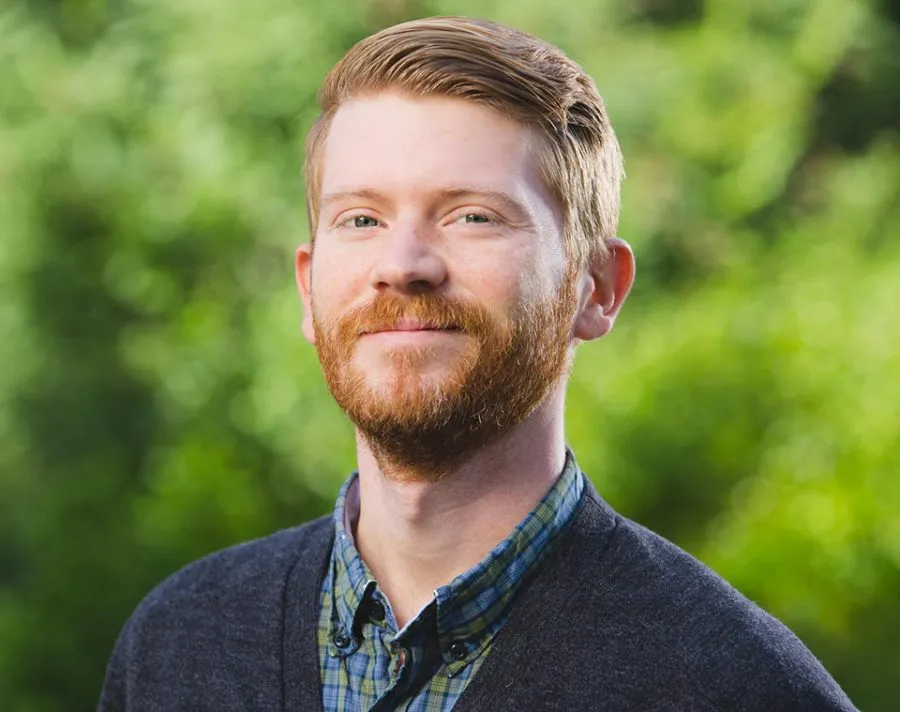
27. Wisdom for pastors when digital is dominant (with Brett McCracken)
Episode Description
Never before have churches and church leaders needed to exist in two realms simultaneously: in person and online. What’s at stake—says Brett McCracken, senior editor at The Gospel Coalition—is the very nature of Christian formation. So how do you wisely make disciples when the digital space is the dominant shaping space? Join our interview with Brett to find out.
Learn more about “The Wisdom Pyramid,” by Brett McCracken: brettmccracken.com/the-wisdom-pyramid
Learn about how we at Subsplash are building tools to help pastors overcome complexity and get started with digital discipleship: subsplash.com/wisdom
Episode Transcript
VO: This is Equip and Engage a podcast by Subsplash exploring how ministry technology and innovation come together to equip churches around the world to engage their communities.
Carolyn Farny: Hi, and welcome to equip and engage. My name is Carolyn Farney and today I'm joined by my cohost Nick Bogardus, VP of marketing here at Subsplash. Hey Nick.
Nick Bogardus: Hey Carolyn. It's awesome to be here. It's good to see you. How are you doing?
Carolyn Farny: Doing great. Yeah, really excited for today's conversation. And I think it really couldn't have come at a better time.
Nick Bogardus: I agree, the topic of wisdom is necessary for everybody in our chaotic age. Uh, but it is particularly necessary for church leaders that are trying to lead minister disciple in a digital and in-person environment as someone who pastored for most of the last 18 [00:01:00] months. Uh, I'm definitely familiar with the experience of a lot of pastors and the dozens and dozens that I've talked to over the last 18 months. Their experience resonates with with similar circumstances. And so, you know, getting emails from people saying like, well, if you don't say this about masks, then we're leaving your church. And if you don't say that about mass, then we're leaving your church. And if you don't say this about vaccines or that about vaccines or this about BLM or that about BLM, we're all gonna leave your church and it's it's can be overwhelming. And so pastors have to understand how, [00:01:30] where do we get wisdom? How do we get wisdom in such a challenging age, but even more particularly to our conversation today with Brett is how can we wisely make disciples in a complex digital age?
Carolyn Farny: It's so true. And I think we brought on just the right person to join this conversation. Our guest today is Brett McCracken. He is the senior editor and director of communications for the gospel coalition, which is an organization that's focused on supporting [00:02:00] the church with resources centered on the gospel of Jesus Christ. He's also an elder at south winds church in orange county and an author of four books that have really challenged some of our everyday assumptions, uncomfortable hipster, Christianity, gray matters. And the book we get into quite a bit, which is his most recent, the wisdom pyramid.
Nick Bogardus: Yeah. So we really jumped off from that book and we hit on some really helpful topics for church leaders today in this conversation, we start by defining what is wisdom [00:02:30] because we should have a common starting point, right? And then we go into what's at stake with not understanding what true wisdom is and how to leverage it. When it comes to making disciples, then we ask really helpful questions like, um, what questions should church leaders be asking themselves, uh, when it comes to technology and the internet and social media. And we finished by talking about three things that church leaders can do to avoid foolishness when making disciples in our complex age. So all in all bread is an incredibly deep and helpful thinker, and I think it'll be [00:03:00] really helpful for our listeners.
Carolyn Farny: It was a really great conversation and we know you're going to love it. So let's go ahead and jump in. Well, hi, Brett, and welcome to the Equip & Engage podcast. Thanks for joining us.
Brett McCracken: Thank you for having me. It's good to be here,
Nick Bogardus: Brett. Let's um, let's dive right in. I kind of want to set the context for this conversation for those who were listening, um, to frame it, uh, as they're paying attention to how we can [00:03:30] avoid foolishness and have wisdom as we make disciples in such a complex age, never before in the history of the church, have church leaders in churches had to exist almost simultaneously equally in two different realms. Uh, the pandemic has accelerated that, um, those challenges and some of those opportunities, and so they have to exist in-person and they have to exist online. And so I kind of want to just start by looking at what are we up against in such a [00:04:00] unique unprecedented environment. Um, you've written a lot about this. Your latest book is about wisdom. And so why don't we start for our listeners by just defining what is wisdom?
Brett McCracken: Yeah. Um, I think I would define wisdom as kind of a moral intuition. It's basically how do we live? Rightly not just the right answers on a factual basis, but how do we live? Rightly so, it's what we do with knowledge, with facts, with all the intakes that come into us, how [00:04:30] does it then lead us to live and how do we, um, yeah, just make decisions in the moment, recognize the best course of action kind of locate and identify truth versus falsehood, uh, goodness. Versus evil. So it's, yeah, I would say it's a moral intuition, unlike information, which is just kind of data.
Nick Bogardus: I, I like, uh, Keller's description of it being, uh, living in accordance with God's design in creation and he uses it like [00:05:00] the, uh, are you familiar with his, uh, the skin of a, of a shark where he says, like, to live a life, according to God's wisdom is to like pet the shark and the way that goes with the scale. So it's smooth and to live, according to foolishness is to go the opposite way where you're grading against it and it's rough. Um, and so I hear that in what you're saying, that there is actually an underlying, um, current, uh, by which we are to order and live our lives. Um, what would you say to the question of like, what does that mean? Wisdom can be found anywhere, where do we, where do we find it?
Brett McCracken: [00:05:30] Yeah. So I think going off of that idea of wisdom is kind of living according to God's design. And in, in that current, I think it follows that wisdom is found in, in proximity to God, if God is the standard and the source and his design of things is, is what's conducive to living a life of wisdom. Uh, then we find wisdom, um, in his presence and the closer we get to to him. And that's kind of [00:06:00] the operating premise of my book, the wisdom pyramid in terms of how I structure the, the levels of wisdom, if you will, from the bottom up, they go from most proximate to God as the most important sources of wisdom, to least proximate to God I'm at the top. So, yeah.
Nick Bogardus: Cool. So what's interesting is even as you describe a pyramid or we've described an objective God related wisdom, um, that means that there's something outside of us by which we are called to write. Um, the prevailing [00:06:30] kind of ethos in our moment is like a, post-modern kind of, post-truth kind of air that we're all breathing. Um, for those who might not be familiar with that kind of, uh, I guess worldview, like how would you describe postmodernism or post-truth?
Brett McCracken: Yeah, I mean, I think in some ways they're synonymous those terms. I don't use postmodern in my, in my writing because I think it's just notoriously, um, you know, used vaguely as a word. [00:07:00] Um, post-truth is I like it because it's more, it specifically gets at the problem of post post-modernity of like, what happens when you live in a world post-truth like, naturally things begin to fray and fragment and everyone just has kind of a, to each their own approach to, to reality. Um, but yeah, I mean post-truth, as a phrase is something, it was like the word of the year, a couple of years ago in Oxford English dictionary. So it starting to be this recognized phenomenon, [00:07:30] right. Even among secular, uh, folks, um, that were living in some sort of moment of acceleration with regard to truth, being a dead concept. Um, but of course it's a long story, you know, it goes, you can take it all the way back to probably like the enlightenment era when, um, you know, truth as a transcendent idea, something that was external to the self, which was just taken, it was assumed, you know, [00:08:00] humans.
Brett McCracken: Yeah. We were subject to some greater truth outside of ourselves, um, with people like Descartes and Russo and some enlightenment thinkers, it started to kind of orient truth around the self and kind of what is your reality and what is your consciousness? That's the ground, that's the basis of truth. And I think ever since then, we've been on this steady trajectory in Western culture, uh, away from truth external to the self to gradually, you know, truth is something [00:08:30] we look within ourselves for. And we kind of determined for ourselves. Um, Carl, Carl Truman's book, the rise and triumph of the modern self. I recommend it. It's kind of a long history of this trajectory that I'm describing. Um, but that's, that's how we get to a post-truth world is just, we gradually kind of move from truth as objective something to which all humans are subject to then being individually defined. Um, and to which no one is subject except for ourselves.
Nick Bogardus: [00:09:00] Yeah. I love that. I love Truman's book as well. I love the, um, that picture he used of, uh, going from being like farmers to basically just kind of like remote workers and that like, we used to have to live subject to our environment, like a farmer had to adapt himself to weather patterns and seasons and, and things like that that were external to him. Um, and now we have, uh, in many cases, um, created such a, um, control over [00:09:30] our environment that it kind of has reduced our awareness of all of the objective realities that we actually still need to adhere ourselves to. I love that picture. Um, so before we transition to the next part of the conversation, help us understand, like we're talking about postmodernism, post-truth the, uh, removal and it kind of external wisdom and what we talked about of the unique environment of having to live online. And in-person, what's at stake [00:10:00] here for pastors and church leaders. Like why does this matter for them to understand? And, and what's, what are maybe some of the byproducts that they don't?
Brett McCracken: Yeah, I mean, I think, um, a lot is at stake and, um, something that I've witnessed as a church leader myself as an elder, um, in the last couple of years is just a growing sense that, um, we're losing people to the internet in terms of formation. So, um, it's just a numbers [00:10:30] game, right? Like you have maybe two to three hours of church kind of formation with someone in your congregation, maybe Sunday morning and then maybe an hour mid week. But the average person in the digital age spends 60 plus hours, you know, in the internet space, looking at screens, being formed by all of these intakes, this, this voice, this article, this podcast, this tick talk, whatever personality. And so [00:11:00] it's just natural, right? That formation when it's that dominant in one space, uh it's it feels like a lopsided, uh, battle. And, and I think a lot of weary pastors, especially in the pandemic when all of this was amplified because people spent even less physical time with their church community and even more time online, um, you really do sense that there's this growing like desperation among church leaders. Like how do we, how do we disciple people [00:11:30] in this world where we don't know, we can't control? What's what their intakes are online, who they're listening to. And yet that's the more magnetic, um, powerful thing that's forming them spiritually. Um, so yeah, I think that's the biggest thing that's at stake is, is formation. How do we make disciples? Um, when, when the digital internet space is by the dominant, um, shaping space these days,
Nick Bogardus: That's great. I mean, so I hear you saying really, [00:12:00] um, the biggest obstacles are, um, the competition of distraction and the formation that people are giving themselves to through the week. What are some of the, um, what does that look like? Because I'm sure pastors would resonate that as soon as they hear that and go, yes, I've experienced that, but maybe you can give a picture of what are maybe some of those malformed, um, disciples look like.
Brett McCracken: Yeah. I mean, I think, um, the like one, one type of person that I [00:12:30] think I've encountered a lot in the last couple of years is the Christian who, because they spend so much of their time on, let's say social media, Twitter, whatever, um, they have gradually kind of been conditioned to channel all of their passion and, and, uh, you know, it's a good thing, right? Like we're all built in with passion for things like justice and, and, and, and righteousness. And, and yet they, they channel all of that through what's [00:13:00] happening on Twitter and the latest egregious injustice happening on some other part of the world, um, that, um, they don't have much left to give, um, to the in-person kind of tangible community right around them. And so I've, I've encountered so many, um, like young people who I disciple, um, who, you know, are so aware and, um, in the weeds on these pull [00:13:30] up these national political controversies, whatever Trump did the previous week, but when I press in and ask them, okay, let's talk about local issues.
Brett McCracken: And like, um, who are you going to vote for in the city council race? And like, you know, what are some local causes that are tangible ways you can actually channel your passion here? And a lot of them just don't know, or don't care and couldn't name any local politic political person at all. And that just for a Christian, that this feels [00:14:00] really skewed and messed up, because when you think about our mission and our purpose, our vocation as Christians, you know, it's to be the tangible kind of, um, light and presence of Christ in our location where we've been placed. But if we're living our lives virtually where we're our consciousness on a cerebral level is everywhere, but where we are, um, no one in our neighborhoods, no one in our communities is being affected positively by our presence. [00:14:30] Um, someone on, on Twitter who lives thousands of miles away might be affected by what you have to say. But, um, I mean, that's just one example of a type of person that I think is being malformed as a Christian by the internet space.
Carolyn Farny: So I loved your, um, I mean the wisdom pyramid and how it's akin to the food pyramid. And I remember that growing up that it's like the takeaway, eat your, eat your vegetables. Um, but in that, you know, in, [00:15:00] and just for those, we'll link this in the show notes for people to be able to, to see you've got some great media around that, but, you know, the bottom being the Bible, um, that as a source of wisdom, she being kind of the, the, the piece that you should intake the most above that being the church and the people of the church there, uh, bub that you had nature above that you had books and then beauty. So are, and then at the top of that being internet [00:15:30] and social media and outside of the nature component, I was just struck right off the bat of how even internet and social media ways that, that has bled into a lot of those different tiers. And so, uh, really my question around it being, you know, as in, in internet and social media being a component, but, you know, how do we leverage technology really to overcome what is a lot of distraction, [00:16:00] a lot of information overload to really arrive at sources of truth and wisdom.
Brett McCracken: Yeah, no, that's a great question. And, you know, some people ask me, um, you know, don't, you work for a, uh, website for a living like the gospel coalition. Like why do you like rag on the internet and social media so much? And that's what you do for a living. And my answer is similar to how I'm going to answer your question, which is like, I think generally the internet and social media has a lot of hazards. It's a very [00:16:30] , um, potentially sickly environment. Um, but the only way we can help people flourish in this world is to have some people who are present in that space, trying to steer the ship in healthier directions and, and ultimately trying to, um, point people on the internet, um, off the internet, right. To more, to, better, to better sources of, of, uh, wisdom. So one way that I think we can leverage the internet, um, for wisdom [00:17:00] is exactly that to kind of like try to make the case on the internet for why these other sources of wisdom, kind of the lower categories on the wisdom pyramid, things like the Bible church, even nature, right?
Brett McCracken: Like I publish articles on the internet all the time, arguing for go outside, you know, put down your phone and go outside. Um, things like beauty, you know, if we use the internet to point people to beauty and to, to kind of advocate for that, that's a good use of it, right. [00:17:30] I think when the internet becomes an end unto itself where it just kind of becomes this all consuming time, suck where the point is just more internet, that's where it's a problem. But if it's a tool where we can, um, hopefully, um, celebrate and equip people to better, uh, commit to and live in healthier, um, places like the local church, you know, scripture nature, then I think it's good. And I think that's what we try to do at the gospel [00:18:00] coalition. Um, you know, ultimately we, we support the local church and that's our number one, like takeaway for our readers is like, you better not be reading our articles on your phone and not going to a local church because that would be messed up.
Brett McCracken: Like, we want you to be going to a church first and maybe reading your TGC articles if you have time. But, um, so yeah, I, it seems like paradoxical, right, for someone who lives in this space and makes a living from it [00:18:30] to say that the most important thing we can do with the internet is to get people off of it. But, um, um, but more and more, I think that that's true. I think, um, the internet is such a shaping space that the only way to have a counter formational space is offline, um, in, in tangible reality.
Carolyn Farny: Yeah. And I, you know, as I listened to you, it's thinking about moderation, thinking about even the discipline of fasting and [00:19:00] places where, you know, I, I instantly think of fasting and food and places where fasting, and like you said, the internet can come in my, so one other place that kind of strikes me too thinking about internet and thinking about technology because, you know, technology, you know, I've, I've got Bible apps on my phone that help me keep in step with what I'm reading or apps that, you know, help, you know, speak Psalms to me as I'm going to bed. Um, but [00:19:30] what are the questions that church leaders need to be asking themselves when it comes to technology to the internet, to social media? And I know those are separate categories, but what are those things that if they're not already asking, and they're kind of just going in the current, what are those things that they should be having these discussions, not just the media pastor, but, or the online pastor, but Hey, this should be, this [00:20:00] should be more of a executive leadership type discussion we're starting to ask.
Brett McCracken: Yeah, that's a great question. I would say the, the first question evangelicals tend to ask about a technology just being evangelicals, right. We're very pragmatic. We want to like use whatever tool we have. The first question is usually how can we use this to like meet people where they're at and how can we have a presence, you know, on whatever Tik TOK would name your new name, your new technology. And, um, [00:20:30] well, I think that's well intentioned, I think the bigger, higher level questions that passengers need to be asking, especially, you know, 20 years now into the internet age, where we're starting to see some of the effects of it on generation Z, for example, just read Jean twinge, his, um, high-gain, uh, for some of the data on that, but I think we need to ask the formation questions about these technologies. Like, how are they forming us?
Brett McCracken: Um, not just the content on, on Twitter [00:21:00] or talk, that's a whole other conversation, but the, the, the form itself, um, how, how are these things, um, shaping Christians and what should we be cautious about? So before we kind of quickly run to have our own, um, church Tik TOK account, like, um, and I'm not knocking any church out there that has a tick-tock account, are we asking the question, like, how is tick tock as a forum shaping us and are there concerns there and how can we [00:21:30] make sure we're not making the problem worse by just joining the chorus of voices on there? Um, what does it like, what does it do for example, to have a Jesus, uh, themed Tech-Talk just thrown into the mix with dozens of other dance videos and, you know, trivia that comes through someone's Tik TOK feed. Like that's a concern, you know, Alan Nobel wrote a book called disruptive witness, which he talks about this really, um, wisely, I think, [00:22:00] um, it reduces Christianity to something trivial when it's just on the same plane as all this other content, um, w where consumers are discovering up little nibbles of this and nibbles of that.
Brett McCracken: And it could be a cat video in one second and, you know, uh, the catechism from some ancient confession and the next tweet. And it's like, oh yeah. Are there any problems with that, with the kind of the flattening of content and mean my therapy, an argument for [00:22:30] , um, reserving Christian content for a more sacred space that is on a whole plane entirely from some of the technological experiences. Um, again, this sounds a little paradoxical coming from someone who, um, produces content on the internet, but, um, man, I really think for the next generation, we have to make it clear that the church and the life of following [00:23:00] Jesus is holy, other than following a thought leader on Twitter, or, you know, having, uh, a cool experience on YouTube, um, of that field's worshipful. Like they're just categorically different. And that I think the risk we run when we blur those lines is, uh, we just feed kind of the consumeristic religion where people are like, yeah, I'll have a little bit of religion in my feet. And a little bit of this kind of, um, you [00:23:30] know, guru, some Joe Rogan, some who knows what Oprah, um, and then my pastor, and then this pastor in that, um, yeah, so I could go on and on about that problem, but
Carolyn Farny: We'll get right back to our conversation with Brett. But first we know that many churches and pastors like yourself are struggling with knowing where your people are physically and spiritually. The reality is that the majority of churches aren't just rebuilding from the [00:24:00] pandemic you're replanting Barna research found that 29% of Christians were streaming services on demand during the week, rather than on Sundays and 35% of Christians attended a church other than their home church prior to COVID, pastors are trying to make sense of who's in person on Sundays, who'sstreaming and who's in your small groups and you need one single place to see and know the health of your community in order to make a lasting [00:24:30] kingdom impact. That's why we're so excited about Subsplash one Subsplash one is one package for one price, one powerful platform to simplify your technology, connect with your people and make more disciples today's listeners can get started at subsplash.com/wisdom that's subsplash.com/wisdom. Now, back to the show,
Nick Bogardus: [00:25:00] There are a lot of arguments against, um, churches, primarily inhabiting a space like YouTube or Facebook, uh, related to censorship, right? Um, I think there's in some of what you're saying. There could be another argument made for the formation piece of it, of churches having their own ecosystem, like for their people. Like if they have to inhabit two realms, how can they create a realm that is, uh, less jarring? You know, like the, the picture you used it, uh, from Noble's book reminded [00:25:30] me of a postman where postman talked about, you know, watching the news and seeing news about Afghan collapse, uh, Afghanistan collapsing, but then, um, seeing a toothpaste commercial that followed it and being like, wait, which one is substantial here. And like churches having their own space, um, to communicate wisdom and, uh, eternal truth could be a, an issue for them to think through, like, how can we create that if we have to inhabit both realms. But I think also something you're saying that I think is helpful for church leaders is [00:26:00] reorienting their target, like the target isn't, uh, to deliver content to an end-user and the target is not, um, to, to make donors the target is to make disciples. And so how, how do we leverage the tools at hand as best as possible to form them into disciples and not merely, you know, recipients of something, maybe furthering a consumeristic paradigm, like it's, it's helpful. So I think you just reorienting the target is really great, really helpful.
Carolyn Farny: Yeah. I love that [00:26:30] summation too. And, uh, you know, it's that juxtaposition, like you said, of okay, for the sake of making disciples, how are we in the space? And yet, I mean, I wrote down the word, I love that just reorienting to, you know, discipleship or what's the formation of it. And thinking through, I mean, even churches I talked to every day that there's this component of, you know, Facebook live YouTube live. And, you know, we sit in a generation [00:27:00] where the average attention span is seven minutes and thinking about, okay, we just sent someone into a worship space where Facebook knows how to just send a notification that takes me down what a high school friend did this weekend, something that's going to raise my blood pressure and, you know, you're, you're having to compete in this space. And so just some of those thoughtful components where [00:27:30] it's kind of, like you said, are there spaces to keep something sacred to where, you know, we're in this generation where if it's more than 120 characters, or if the video isn't under a minute long, and now we're having to, to switch over to someone, teaching the Bible for an hour, you know, there's, there's this component that, that we're up against that too.
Carolyn Farny: Yeah.
Brett McCracken: I think the key word that you raised is just compete. Like the minute churches start thinking of this [00:28:00] as we are competing against YouTube. And tick-tock, it's an admission that we, as the church are substantively the same as those things. And so where does, where does all part of this crowded marketplace of attention that we're competing for eyeballs? And I think that's the losing strategy. Like it, we're never going to be able to compete as Christianity. If we position ourselves as just one, among many kind of consumeristic diversions that you could choose on a Sunday [00:28:30] morning or whenever. Like, so I think the better strategy, and instead of trying to replicate what YouTube is doing to like grab people or a Tik TOK is doing, we should just be the church, like lean into the transcendence of church and the, the fundamental difference that we are from everything else happening in our culture.
Brett McCracken: And my gut tells me that long-term with the next generation, that's going to be the type of church that they find refreshing [00:29:00] and like a Haven from the noise, from the chaos of their digitally mediated lives. Um, they don't, I don't think that they're gonna, you know, run to the church. That's just another app on their phone or another digital, you know, consumeristic experience, but a church that is fundamentally different, um, might be something that they, you know, that they will eventually return to, or will find that [00:29:30] they need as, as kind of digitally macerated souls.
Carolyn Farny: Absolutely. There's that, you know, you are onslaught of information and then you go out whether it's in nature or even, you know, I've experienced this in my house recently after having guests that the silence is, so it's such a change up to where you like, forget that your soul needed that. And, you know, as Christians, we know there's design there for [00:30:00] us, you know, we aren't designed to be, to know all things and to have this constant on slot, but, um, God, I want to go back to, you know, the more around redeeming digital if it were, but what, what's the church today doing well when it comes to digital discipleship? Yeah.
Brett McCracken: You know, I've, I've been encouraged recently that there seems to be more conversation just about kind of what I've been describing [00:30:30] about these bigger picture questions. How are we being shaped by these technologies? What is social media doing to us as disciples of Jesus? Um, I've just read more and more articles, listen to, um, some good podcasts. Um, Jason Thacker has a good podcast called weekly tech, which, um, he, he's just one of many examples of Christians in this space starting to ask these questions. So I would say that's one thing that we're doing well recently is starting to have these important meta conversations [00:31:00] about technology's formative power beyond its utilitarian potential, which as I said, is kind of the first phase of evangelical involvement with technology. Um, but I think that the more we can close the gap between that first phase of adopting early adoption to kind of a, well, let's think about this, those should actually be one kind of thing happening simultaneously. Um, so yeah, but [00:31:30] I think that we're starting to see some good books come out and I anticipate that this is going to be a bigger and bigger genre of Christian books and resources, you know, how do we make healthy disciples in a digitally inundated environment?
Carolyn Farny: Oh, absolutely. And it's been a tangible, I think it speaking for myself, but also others even COVID this COVID season itself took what [00:32:00] already was this digital world that was growing at a rapid pace and expedited it three to five years, if that, to where put it on steroids as it were. And so the, I think like you mentioned, even just as, as we're picking up the conversation around it, but on the opposite side of that question, what's the church doing poorly today when it comes to digital discipleship?
Brett McCracken: Yeah. I mean, I think it's just kind of what I've already [00:32:30] said about, um, not having the kind of medical questions be front and center of like, how has a certain technology, you know, forming us, um, and thinking deeply about that and, and, and going beyond, um, like the kind of surface level questions of like time on platform and that's like an easy kind of low hanging fruit with like digital discipleship. Like, well, how much time are you on Facebook? Maybe if you cut that in half, that'll be like, you know, [00:33:00] the answer and it's, I think that's part of it, right. Moderation and time spent is part of the equation, but, but even someone who only spends two hours a week on Twitter, like what in the activity of what they're doing on that platform is potentially forming them negatively. So it's not just about time spent.
Brett McCracken: So yeah, I, I think we're, we're kind of, um, not asking some of those deeper level questions yet. Um, [00:33:30] what does, what does, how does that affect your soul as a disciple of Jesus, for example, to be instantly aware of everything happening in the world, right. In the last 24 hours or 48 hours, like, you know, earthquakes in Haiti, horrific things happening in Afghanistan, um, you know, name five other things that like former generations, most of human history, right. Humans didn't have that experience. Uh, so what does that do to our souls? [00:34:00] You know, kind of connects back to that, um, example of a person digitally formed, Christian, who, who all their emotion is taken up with these far away, uh, dramas happening on the world that are mediated to them via social media. Um, but there, it sucks all their passion and their, their longing for justice, um, such that they have nothing left to give in their local context. And that, that has huge repercussions for our churches [00:34:30] and for our mission. So those are the types of questions that I want us to be asking more and more like, um, what, how did the actual activities of what we're doing in these technologies and what they're doing to us, how are they affecting our mission, our sense of identity as Christians, um, our ecclesiology, um, because that's affecting all of that. I think insignificant ways,
Carolyn Farny: I love it. And it feels like, you know, it's circling around having these conversations and really developing what [00:35:00] your theology around technology is with this, because, you know, at the core, like you're talking about, if you start asking these deeper questions, then as you start to play out the practicalities or the application of, okay, do we have a blog or do we not? Do we do Facebook live? Do we not? Do we, um, you know, do a sermon series on this or, or do we not, uh, you know, that obviously is going to play out strategically different at different [00:35:30] churches. Um, any other opportunities you see from the standpoint of digital? I know we've, we've kind of hashed this out on a few different fronts, but any, any opportunities that feel on the application side for, for a church? Yeah.
Brett McCracken: I mean, I, I, I think step one is just making it a topic of conversation and like recognizing that our digital habits and our formation [00:36:00] happening in the digital space is a matter of discipleship. So moving from a compartmentalized approach where it's like, yeah, that's just how we live in the 21st century. So what you do outside of church, on your phone, on your computer, you know, that's your business, I think just recognizing no, that's very much, um, the, the battleground of souls these days, that's where people are spiritually formed for, for better or worse. Um, so just recognizing that and making these things [00:36:30] like part of your, um, yeah, whether it's a sermon series or a small group kind of curriculum or conversation, I think that's, um, that's like a practical next step for churches.
Nick Bogardus: I think, you know, you're putting forefront, formation, discipleship, um, you know, in advance of adopting a technology or even as you do it, at least having the, your end goal inside, I think is really important. Um, [00:37:00] uh, there's a guy named rich Plass. He mentors, pastors is Christian psychologist, but I remember he said one time, uh, he, he said, uh, that the evangelistic churches of the next generation are going to be the relational churches. And I think I heard you say that as well, kind of like there's going to be younger people that are looking for something transcendent, something beyond the kind of digital chaos in which we live our everyday life. And so, um, if you have that target, uh, formation or discipleship, um, [00:37:30] over your technology, the technology is always in service of, uh, discipleship and it's always in service of connection, uh, communi community.
Nick Bogardus: And so I think there's an opportunity there likely for churches to, to think beyond again, like just make, just delivering content to end users, just making donors or whatever kind of utilitarian, uh, approaches they might have and go, wait a second, hold on. How does this help my people grow in their affections for Jesus? How, how does this help them connect to one another? And their local communities [00:38:00] is what I, if I were to sum up all of what you said, it would probably sum up in those two kind of pillars. Is that a fair description?
Brett McCracken: Yeah. Yeah, absolutely. I think, I think churches have to recognize that they are not primarily content, um, as much as they are community and, um, content is part of what they do as a community with the word preached and taught and discussed. Um, but, but the church has fundamental identity is a community plural, you know, the people of God coming together in [00:38:30] relationship as brothers and sisters as family and, and pushing one another to grow, uh, the church is God's plan for our growth for our spiritual lives. Like the plan for our spiritual growth was never, you know, try to fill your brain with as much in input and content as you can muster, as you can find on Google. Um, that's not actually a recipe for spiritual growth. I don't care how many amazing Tim [00:39:00] Keller sermons you download online, or how many amazing podcasts from Nick Bogardus that you listened to?
Brett McCracken: Um, there, all of that is good, but, um, and it can help us in our spiritual formation for sure, but it's never as potent, I think, as a healthy church community where you can be known, uh, where it's a two way relationship, right? Content is just one way, usually it's you receiving from some distant voice out there that you don't have a relationship with. [00:39:30] They don't really know you, you can't follow up with questions that they can kind of, um, respond to. Um, but you can in a church and you can have face to face kind of iterative discussions that are tailored to your particular situation and growth and needs. So yeah, I mean, I think churches just need to recognize that that's what we have to offer, and that's a beautiful thing that's different than anything someone can find on Google. Um, so it goes back to what I said earlier.
Brett McCracken: Like we shouldn't [00:40:00] pre frame ourselves as in any way, competing with Google. Uh, not only because we're just substantively different, but we're actually so much better, right? No, no answer that you can find in a Google search result is as, is as good as being able to, um, kind of tease out these questions in community over time. Um, in a way that is deeply, um, tied up with relationship and a communal growth, [00:40:30] um, together. So yeah, this is my, my last book on comfortable kind of coming out right now. My that's my book advocating for the local church has the primary place to grow.
Nick Bogardus: I love it. We got one last question for you. And that is what are three things that pastors can do to avoid foolishness with technology and discipleship. If you're, if your call is for wisdom, how can they avoid the flu?
Brett McCracken: Yeah, well, I'm just going to kind of cheat and use the last [00:41:00] chapter of my wisdom pyramid book, which I have, I conveniently have three kind of summary, uh, marks of wisdom that I describe in terms of wisdom and con contrast to foolishness in the digital age and it, each of these three maps onto, um, the three problems that I focus on in the first half of the book, which is too much information, too fast, the speed of information, and, and too focused on me, kind of the look within individualistic [00:41:30] orientation. So if those are the three biggest problems, um, or three of the biggest problems, then three ways to be wise, um, is to live in the opposite of that. So in a world of too much information, I think having a simpler kind of focused life that's rooted in, you know, a more kind of narrow scope.
Brett McCracken: So your local community versus the whole world, right? A couple of voices that you trust versus my million voices on [00:42:00] Google to have kind of to narrow your, um, formative sphere, if you will, in a world of too much information is I think one way to be wise, um, second is to be more patient, to have a slower, more patient reflective pace in a, in a too fast world. So many problems, so many, uh, ways that we become fools on the internet is just like speed traps, like posting something sooner than we should have reading an article and forwarding [00:42:30] it along before we vet the source. And in fact check like so much of our problems in the digital age come from the too fast pace. And if there's one thing we know about wisdom, it's that it's a little bit more of a slow burn, right?
Brett McCracken: You become wise over time. Um, it's, it's the kind of carefully considered life that leads to wisdom. And so I really like push that like as Christians in today's fast paced world, we need to be the ones willing to go slower before we jump in with a hot take [00:43:00] or our opinion. Um, we need to be the ones who are willing to, um, kind of be, um, slower to the slower, to the, um, draw, you know, with, with shooting off our opinions. Um, that's going to be the wiser contribution if we can wait a little bit and think critically. And then thirdly, I think in contrast to a world that's too focused on the individual and where everything is about what I want and the voices that I like, and I'm going to opt out of this [00:43:30] person and that person and curate my own reality, according to my liking.
Brett McCracken: Um, I think the wise life is the one that recognizes, um, just humbly that I'm not the best source of wisdom. And that looking within myself, um, first and foremost, um, is a really dangerous, uh, process. And that actually external truth is a good thing. Um, a reality that exists independent [00:44:00] of my tastes and preferences is actually a wonderful gift. And the wisest people in the world are those that actually, um, are content and kind of lovingly submit to, um, the fact that we are subject to a world. We didn't invent it's laws. We didn't create gravity was a law before I was born. And I didn't get to decide whether it was a law when I was born. Like my biology was my biology, without anyone asking me, you know, [00:44:30] what I thought about it? Um, the weather is the weather is the weather, right? It's either raining or it's not whether you're a Democrat or Republican, whether you have opinions about it or not. Right. Um, and that's a one
Nick Bogardus: Somewhere just disagreed with you on that one.
Brett McCracken: Right. And we're going to get to that point, I think, where people are having debates about whether this is actually rain is the deep fake of rain or, you
Brett McCracken: Know. Yeah. That's awesome.
Nick Bogardus: Well, Brett, thank you so much for taking time to be with us today. Um, I, I'm [00:45:00] just thankful for your work man, as a friend, uh, and appear appreciated your deep thought on matters of the local church and discipleship. So thank you very much.
Brett McCracken: Yeah. Thank you guys. It was fun.
Carolyn Farny: Wow. What a great conversation we are so thankful to have Brett have joined us today on the podcast to speak into something that we think the church is really going to benefit from during this season.
Nick Bogardus: That's right. There's a lot at stake [00:45:30] here and growing in wisdom around technology can make all the difference between pastors feeling like they're just treading water and actually making the growing kingdom impact.
Carolyn Farny: Absolutely. And as a reminder, you can learn about how we at Subsplash are building tools to help pastors overcome the complexity and really get started with digital discipleship. You can get started today at subsplash.com/wisdom. Again, that's subsplash.com/wisdom. [00:46:00] Thanks for listening. And you can check out a coop and engage anywhere you listen to podcasts. And if you haven't already share and listen to this with a friend, we'll see you next time.


© 2026 Subsplash